 By Madison Newman
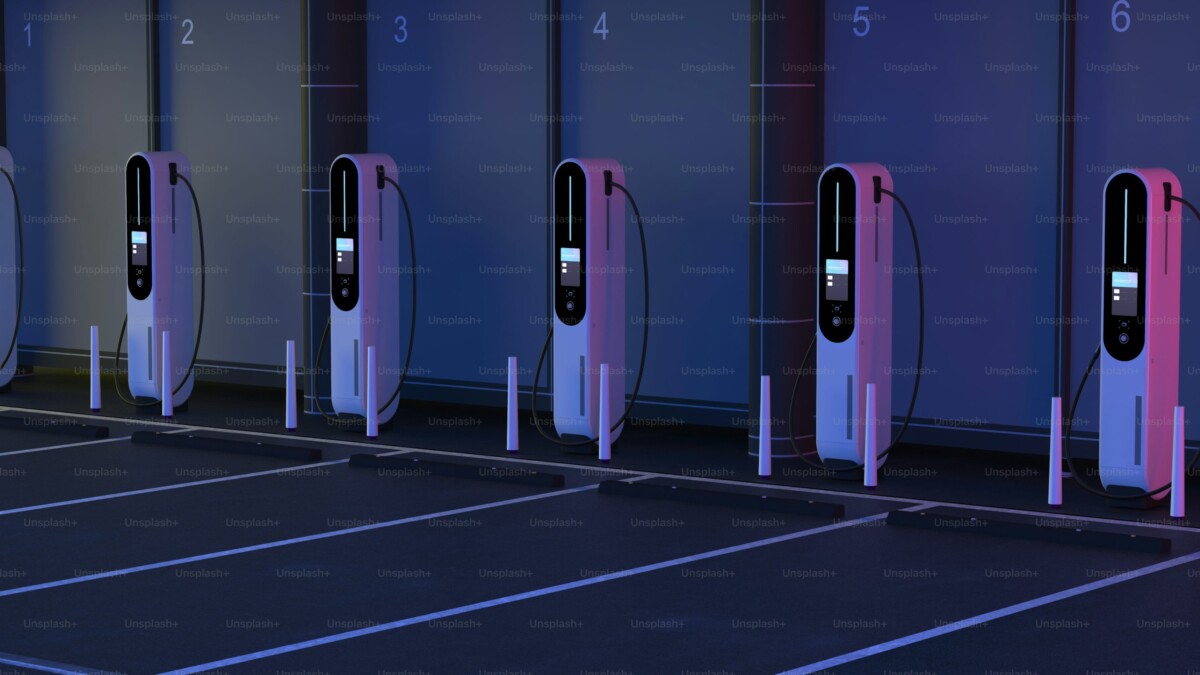
Electric mobility is changing how we get around daily, providing greener and more efficient options than regular cars. This includes electric bikes and cars, making traveling easier for people while being kinder to the planet. These exciting advancements are helping us rethink how we move through our communities.
Electric Bikes (E-Bikes)
E-bikes combine traditional pedaling with electric assistance, making them ideal for commuting and leisure. They are particularly beneficial for urban travel, reducing the effort required for longer distances or hilly terrains. Models like the Priority eClassic Plus and Tenways CGO 800S offer multiple pedal-assist levels and user-friendly interfaces, catering to diverse rider preferences.
Electric Scooters
Electric scooters provide a compact and convenient mode of transport, especially suited for short urban trips. Cities worldwide are adopting e-scooters to alleviate traffic congestion and lower emissions. For instance, Melbourne has implemented dedicated parking areas to integrate e-scooters safely into the urban landscape, enhancing their utility and accessibility.
Electric Cars
Electric cars are at the forefront of the shift towards sustainable personal transportation. They offer the comfort and range of traditional vehicles without the environmental impact of fossil fuels. Governments are incentivizing electric car adoption through tax benefits and subsidies, aiming to reduce urban air pollution and dependence on oil. The International Energy Agency suggests that taxing inefficient internal combustion engine vehicles could further encourage the adoption of EVs.
Also, read The Influence of AI in Everyday Life in 2024
Microtransit Solutions
Micro transit services like app-based ride-sharing and on-demand shuttles are gaining traction to bridge the gap between personal and public transportation. These services offer flexible routing and scheduling, adapting to individual needs while reducing the number of vehicles on the road. Cities such as Jersey City and Lake Tahoe have implemented micro-transit systems to complement existing public transport, enhancing overall mobility.
Benefits of Electric Mobility
The rise of electric mobility presents several advantages:
- Environmental Impact: Electric vehicles (EVs) produce zero tailpipe emissions, significantly reducing urban air pollution.
- Cost Efficiency: Electric vehicles (EVs) offer economic advantages due to their lower operating and maintenance expenses, making them appealing to consumers and businesses alike.
- Noise Reduction: Quieter operation contributes to decreased noise pollution in cities.
- Health Benefits: Reduced air and noise pollution improve public health outcomes.
Challenges and Considerations
Despite the benefits, certain challenges persist:
- Infrastructure Development: Expanding charging stations and dedicated lanes is essential to supporting the growing number of EVs.
- Safety Concerns: Electric vehicles’ quietness can pose risks to pedestrians, necessitating awareness and potential technological solutions.
- Regulatory Measures: Effective policies are required to manage the integration of e-scooters and other micro-mobility devices into existing traffic systems.
Electric mobility is revolutionizing daily transportation, offering various options, from e-bikes to electric cars. As technology advances and infrastructure develops, these modes of transport are set to become increasingly integral to our daily lives, promoting a more sustainable and efficient future.