 By Madison Newman
 Kyoto is one of Japan’s most captivating destinations, offering a unique blend of history, culture, and natural beauty. As the country’s former imperial capital, the city is home to centuries-old temples, peaceful gardens, traditional wooden houses, and seasonal landscapes that attract visitors from around the world. Whether you’re visiting for a day or planning a longer stay, Kyoto provides countless opportunities to experience Japan’s cultural heritage.
Unlike Japan’s modern metropolitan centers, Kyoto moves at a slower pace. Walking through historic districts, exploring hidden alleys, and discovering neighborhood cafés allows travelers to appreciate the city’s timeless atmosphere while experiencing traditions that continue to shape daily life.
Must-Visit Places in Kyoto
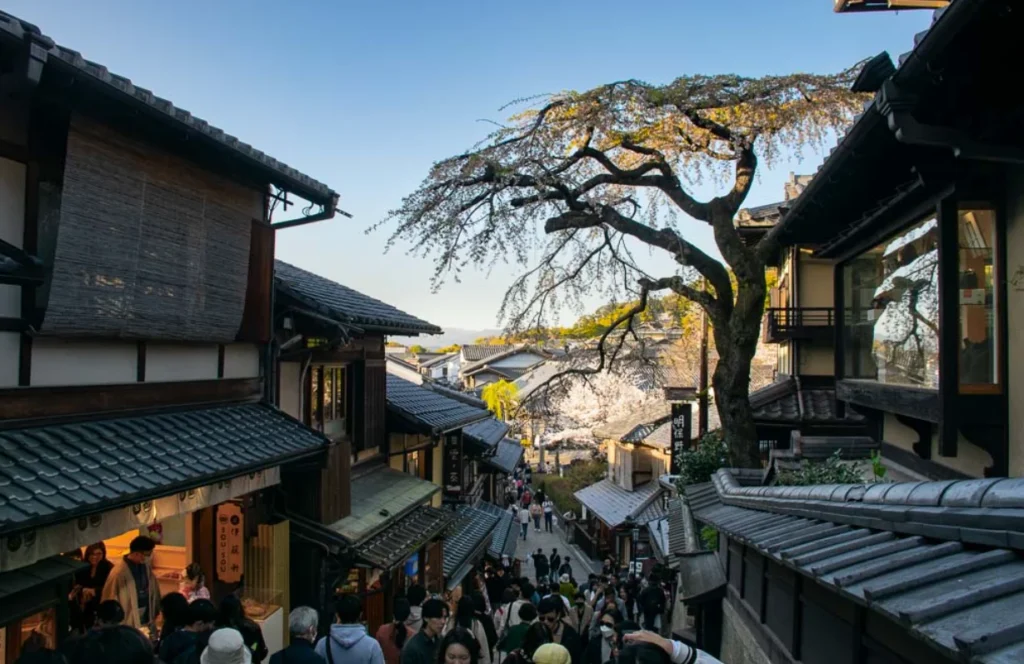
Kyoto is filled with iconic landmarks, but the city’s appeal extends beyond its famous attractions. Combining well-known sites with quieter neighborhoods creates a more rewarding travel experience.
Fushimi Inari Shrine
Famous for its thousands of vibrant torii gates, Fushimi Inari Shrine is one of Kyoto’s most recognizable landmarks. Visitors can walk through winding mountain trails while enjoying panoramic views and experiencing one of Japan’s most important Shinto shrines. Arriving early in the morning provides a quieter atmosphere and better opportunities for photography.
Read Also: Japan Cultural Experiences
Arashiyama Bamboo Forest
Located on the western side of Kyoto, the Arashiyama Bamboo Forest offers one of the city’s most peaceful walking experiences. The towering bamboo groves, nearby temples, and scenic river views make this area an excellent destination for travelers seeking both natural beauty and cultural attractions.
Read Also: Best Places to Visit in Japan
Experience Kyoto’s Traditional Culture
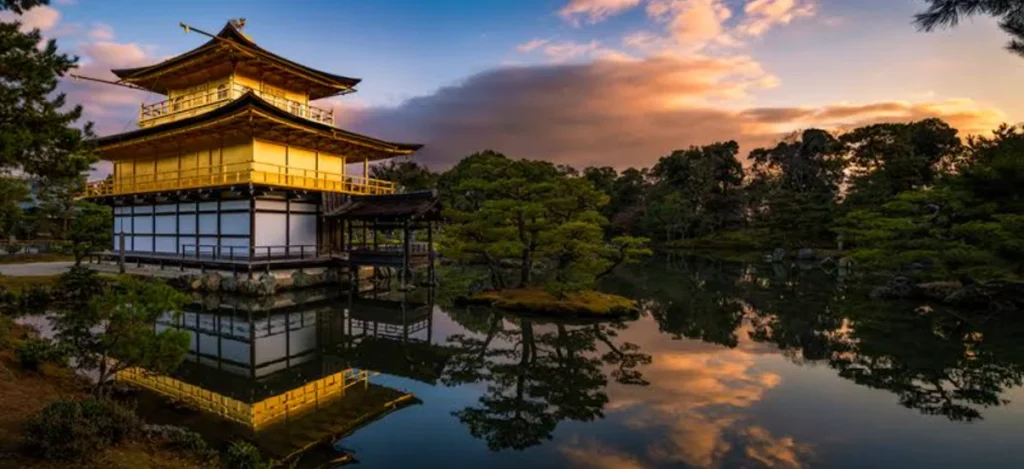
Kyoto is one of the best places in Japan to experience traditional customs that have been preserved for generations. From historic districts to cultural workshops, the city offers numerous opportunities to connect with Japan’s heritage.
Walk Through the Gion District
Gion is Kyoto’s most famous historic district, known for its traditional wooden buildings, teahouses, and elegant atmosphere. Walking through its narrow streets during the evening may even provide the chance to see geiko or maiko on their way to appointments, offering a glimpse into one of Japan’s most respected cultural traditions.
Read Also: Japanese Culture and Traditions
Visit Kiyomizu-dera Temple
Perched on a hillside overlooking the city, Kiyomizu-dera Temple is celebrated for its impressive wooden stage and sweeping views of Kyoto. The surrounding streets are lined with traditional shops selling local crafts, sweets, and matcha products, making the visit enjoyable both inside and outside the temple grounds.
Read Also: Things to Do in Japan Beyond the Tourist Attractions
Local Experiences That Make Kyoto Special
While Kyoto’s famous landmarks deserve a place on every itinerary, some of the city’s most memorable moments come from slowing down and experiencing everyday life. Exploring traditional neighborhoods, enjoying local cuisine, and participating in cultural activities provide a deeper understanding of what makes Kyoto unique.
Join a Traditional Tea Ceremony
Kyoto is one of the best places in Japan to experience a traditional tea ceremony. Guided by an experienced host, visitors learn about the history, etiquette, and philosophy behind matcha preparation while appreciating the calm atmosphere that defines this centuries-old cultural practice.
Read Also: What to Eat in Japan
Sample Kyoto’s Local Cuisine
Kyoto’s culinary traditions are shaped by seasonal ingredients and refined preparation techniques. From delicate kaiseki meals to yudofu (tofu hot pot) and traditional wagashi sweets, the city offers flavors that differ from those found elsewhere in Japan. Visiting local cafés and family-run restaurants is a great way to discover authentic regional specialties.
Read Also: Japanese Ramen Guide
Planning Your Kyoto Itinerary
A well-planned itinerary allows you to enjoy Kyoto’s historic landmarks while leaving enough time to explore quieter neighborhoods. Rather than trying to visit every attraction in one day, consider focusing on one area at a time to create a more relaxed and enjoyable experience.
Spend Time Beyond the Famous Attractions
In addition to popular landmarks, Kyoto is home to peaceful residential districts, hidden temples, riverside walking paths, and charming shopping streets. Exploring these lesser-known locations often leads to memorable encounters with local culture and provides a welcome break from crowded tourist sites.
Combine Kyoto with Other Destinations
Kyoto pairs well with nearby cities such as Osaka and Nara, making it an ideal base for exploring the Kansai region. Travelers planning a broader itinerary across the country can also include destinations such as Tokyo, Hiroshima, or Hokkaido to experience Japan’s diverse landscapes and cultural heritage. If you’re still deciding which destinations to include in your journey, this comprehensive Japan travel places guide introduces many of the country’s most rewarding locations and can help you build a well-balanced itinerary.
Read Also: Japan Transportation Guide
Helpful Tips for Visiting Kyoto
A little preparation can make your visit to Kyoto more enjoyable. Since many of the city’s attractions are spread across different districts, planning your daily routes and allowing extra time for exploration will help you experience Kyoto at a comfortable pace rather than rushing from one landmark to another.
Start Your Day Early
Popular attractions such as Fushimi Inari Shrine and Arashiyama Bamboo Forest are much quieter during the early morning. Visiting before peak hours not only provides a more peaceful atmosphere but also makes it easier to take photographs without large crowds.
Read Also: Best Time to Visit Japan
Travel Respectfully
Kyoto is home to active temples, shrines, and residential neighborhoods. Respecting local customs, keeping noise to a minimum, and following photography guidelines help preserve the city’s cultural heritage while creating a positive experience for both visitors and local communities.
Read Also: Japanese Culture and Traditions
Conclusion
Kyoto offers an unforgettable combination of history, culture, and natural beauty. From iconic temples and bamboo forests to traditional tea ceremonies and historic streets, every corner of the city provides opportunities to experience a different side of Japan. Taking time to explore both famous landmarks and quieter neighborhoods will give you a richer appreciation of Kyoto’s timeless character.
Whether you’re visiting for a weekend or including Kyoto as part of a longer journey through Japan, thoughtful planning and a relaxed pace will help you enjoy everything the city has to offer while creating lasting memories.
Frequently Asked Questions
How many days should I spend in Kyoto?
Two to three days is ideal for exploring Kyoto’s major temples, historic districts, gardens, and cultural experiences without feeling rushed.
What is the best time to visit Kyoto?
Spring and autumn are the most popular seasons thanks to cherry blossoms and colorful foliage, although Kyoto offers unique attractions throughout the year.
Is Kyoto suitable for first-time visitors to Japan?
Yes. Kyoto is an excellent destination for first-time visitors because it combines famous landmarks, cultural experiences, excellent transportation, and a welcoming atmosphere.
Can I visit Kyoto as a day trip?
Yes, but staying at least one night allows you to experience the city more comfortably, especially during the quieter early morning and evening hours.