 By Madison Newman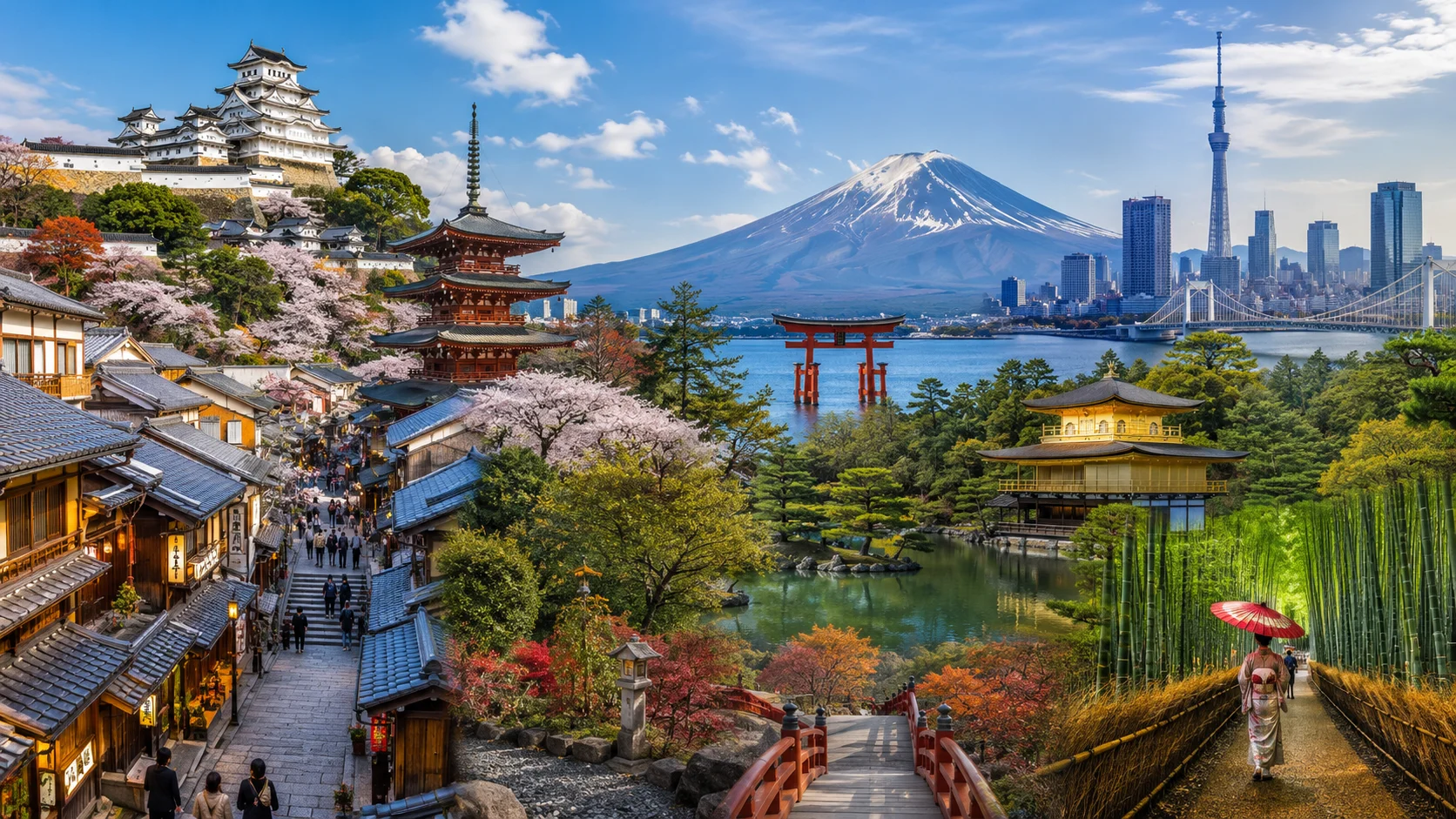
Japan offers an extraordinary variety of travel experiences packed into a single destination. From centuries-old temples and historic districts to futuristic city skylines and breathtaking natural scenery, the country provides countless opportunities for exploration. Whether visitors are interested in cultural heritage, modern attractions, outdoor adventures, or seasonal landscapes, there are Japan travel places suited to nearly every travel style.
One reason Japan continues to attract travelers from around the world is the diversity found across its regions. Each destination has its own character, traditions, cuisine, and attractions. A journey through Japan can include peaceful gardens, mountain retreats, bustling shopping districts, historic castles, coastal scenery, and some of the world’s most efficient transportation systems.
For first-time visitors, deciding where to go can feel overwhelming because there are so many places worth exploring. Understanding the strengths of different destinations can help travelers create a more balanced itinerary while experiencing multiple sides of the country.
Why Japan Remains One of the World’s Most Popular Travel Destinations
Japan successfully combines tradition and innovation in a way few destinations can match. Travelers can spend the morning exploring a historic temple, enjoy regional cuisine for lunch, and end the day in a modern entertainment district filled with technology and contemporary culture.
Safety, cleanliness, reliable transportation, and strong tourism infrastructure also contribute to the country’s popularity. Visitors often find it relatively easy to move between major regions while experiencing dramatically different landscapes and cultural environments.
Another major attraction is seasonality. Cherry blossoms in spring, festivals in summer, colorful foliage in autumn, and snow-covered scenery in winter create unique experiences throughout the year. This variety encourages many travelers to return multiple times to explore destinations they missed during previous visits.
Japan Travel Places for Culture and History
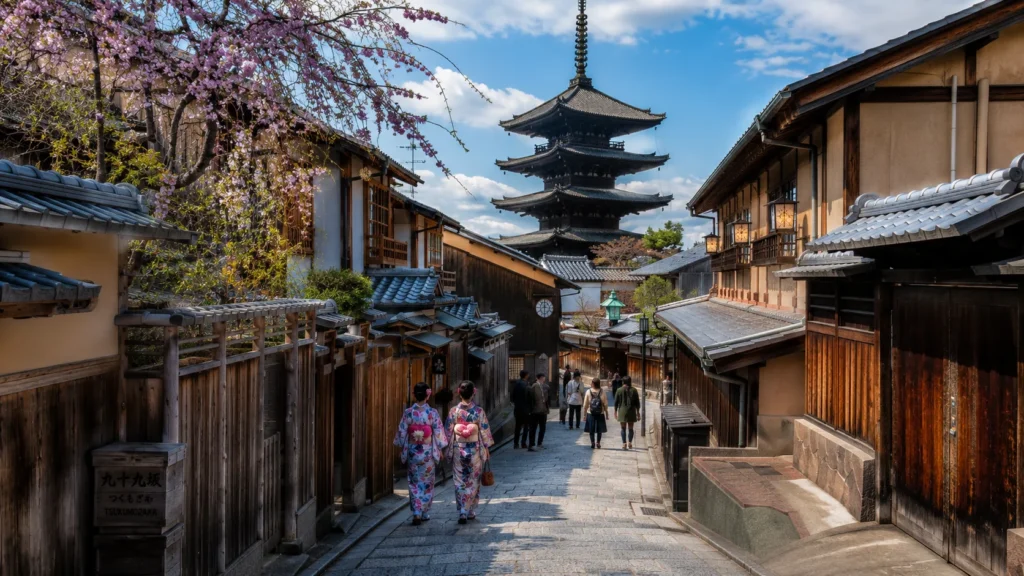
Travelers interested in traditional Japan will find numerous destinations where history and cultural heritage remain highly visible. These locations provide opportunities to explore temples, shrines, historic architecture, and districts that preserve centuries of local traditions.
Kyoto
Kyoto is often considered the cultural heart of Japan. The city is known for its historic temples, traditional gardens, tea houses, and preserved districts that offer a glimpse into the country’s past. Visitors can explore famous landmarks while experiencing customs and traditions that continue to influence Japanese culture today.
Destination Spotlight: Kyoto Travel Guide
Nara
Nara is home to some of Japan’s most significant historical sites and religious landmarks. The city’s parks, temples, and cultural attractions make it an appealing destination for travelers seeking a deeper understanding of Japanese history and heritage.
Explore Further: Nara Travel Guide
Himeji
Known for its impressive castle, Himeji offers one of the finest examples of historic architecture in the country. The city’s most famous landmark remains an important symbol of Japan’s feudal era and continues to attract visitors interested in history and design.
Continue Your Journey: Himeji Travel Guide
Japan Travel Places for Modern City Experiences
Modern cities represent another side of Japan’s appeal. These urban destinations showcase innovation, entertainment, shopping, dining, and contemporary culture while maintaining unique local identities.
Tokyo
As Japan’s capital, Tokyo offers a dynamic combination of technology, culture, shopping, dining, and entertainment. The city’s diverse neighborhoods provide everything from historic temples to futuristic attractions, making it one of the most popular destinations in the country.
Worth Exploring: Tokyo Travel Guide
Osaka
Osaka is widely known for its energetic atmosphere, food culture, and vibrant entertainment districts. Many travelers appreciate its welcoming character and the variety of attractions available throughout the city.
City Highlights: Osaka Travel Guide
Yokohama
Located near Tokyo, Yokohama offers a waterfront setting, modern architecture, shopping areas, and cultural attractions that make it a worthwhile addition to many travel itineraries. Its blend of urban development and coastal scenery creates a distinct atmosphere compared to other major cities.
Urban Discovery: Yokohama Travel Guide
Japan Travel Places for Nature and Scenic Beauty
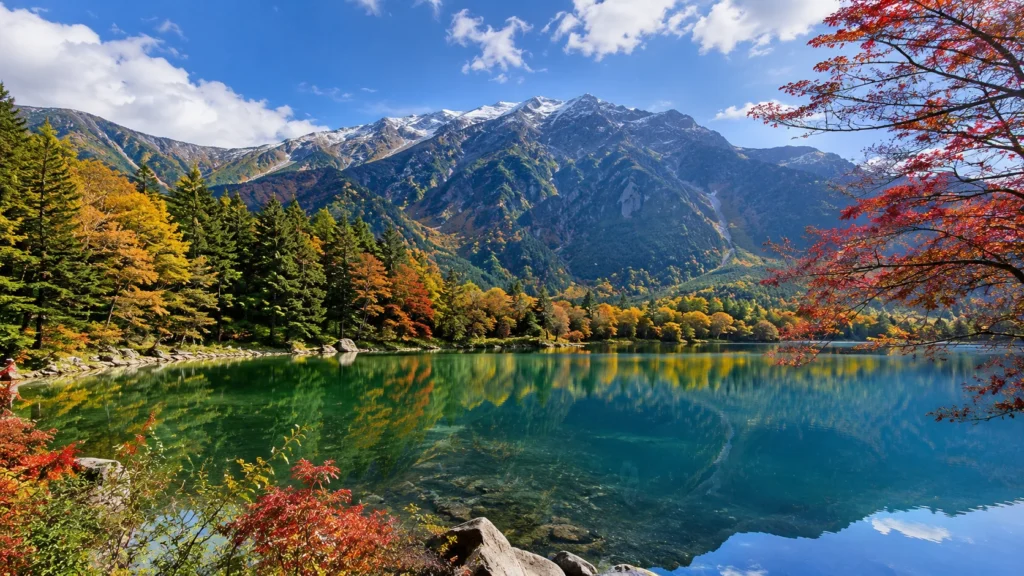
While Japan’s cities often receive significant attention, the country’s natural landscapes are equally impressive. Mountains, lakes, forests, coastlines, and seasonal scenery provide opportunities for travelers to experience a different side of Japan beyond its urban centers.
Hakone
Hakone is one of Japan’s most popular destinations for travelers seeking nature, hot springs, and scenic views. Located within easy reach of Tokyo, the area offers mountain landscapes, traditional accommodations, museums, and opportunities to enjoy a slower pace of travel.
Nature Escape: Hakone Travel Guide
Mount Fuji Area
Few landmarks are as closely associated with Japan as Mount Fuji. The surrounding region attracts visitors interested in outdoor activities, photography, cultural sites, and panoramic views of the country’s most iconic mountain. Different seasons provide unique perspectives, making the area a year-round destination.
Continue Exploring Japan: Mount Fuji Travel Guide
Japanese Alps
The Japanese Alps offer dramatic mountain scenery, hiking opportunities, traditional towns, and seasonal landscapes that appeal to nature lovers. The region is particularly attractive for travelers interested in outdoor adventures and destinations beyond the country’s busiest tourist routes.
Scenic Inspiration: Japanese Alps Travel Guide
More Japan Travel Places Worth Exploring
Beyond Japan’s most frequently visited destinations, many other locations offer rewarding travel experiences. These places provide opportunities to explore different aspects of the country while avoiding some of the crowds associated with more famous tourist attractions.
Kanazawa
Kanazawa is known for its well-preserved historic districts, traditional arts, and beautiful gardens. The city offers a balance of cultural attractions and modern conveniences, making it an appealing destination for travelers seeking a more relaxed pace.
Hiroshima
Hiroshima combines historical significance with a vibrant modern atmosphere. Visitors can learn about important events that shaped the city’s history while also exploring cultural attractions, waterfront areas, and local cuisine.
Miyajima
Located near Hiroshima, Miyajima is famous for its scenic coastal setting and iconic floating torii gate. The island’s natural beauty and cultural landmarks make it one of Japan’s most recognizable travel destinations.
Takayama
Takayama is celebrated for its preserved old town, traditional architecture, and mountain surroundings. Visitors often appreciate the city’s historic atmosphere and connection to regional culture.
Kamakura
Kamakura offers a combination of temples, coastal scenery, and cultural attractions. Its proximity to Tokyo makes it a popular destination for travelers looking to experience history and nature within a short distance of the capital.
Travelers exploring multiple regions across the country often balance busy sightseeing schedules with comfortable accommodations between journeys. Those continuing their adventures in northern Japan may appreciate a sapporo luxury hotel for extended journeys, providing a convenient base while discovering additional destinations throughout the region.
Planning a Balanced Japan Travel Experience
One of the best ways to experience Japan is by combining different types of destinations within the same trip. A balanced itinerary might include historic cities, modern urban centers, scenic landscapes, and lesser-known locations that provide unique cultural perspectives.
Rather than focusing exclusively on major attractions, many travelers find that mixing famous landmarks with quieter destinations creates a more memorable experience. Exploring different regions also provides opportunities to encounter local traditions, regional cuisine, and landscapes that vary significantly across the country.
Whether visiting Japan for the first time or returning to discover new places, the country’s diversity ensures that there is always something new to explore. From cultural landmarks and vibrant cities to mountain scenery and coastal retreats, Japan continues to offer some of the most rewarding travel experiences in the world.
Frequently Asked Questions
What Are the Best Places to Visit in Japan for First-Time Travelers?
Many first-time visitors include destinations such as Tokyo, Kyoto, Osaka, Nara, and the Mount Fuji area in their itineraries. These locations provide a balanced introduction to Japan’s culture, history, modern attractions, and natural scenery.
How Many Cities Should I Visit During One Trip to Japan?
The ideal number depends on the length of your trip. Many travelers find that visiting three to five destinations allows enough time to explore each location without feeling rushed while still experiencing different regions of the country.
Is Japan Suitable for Nature Lovers?
Yes. Japan offers diverse natural attractions including mountains, lakes, forests, hot spring regions, coastal landscapes, and national parks. Destinations such as Hakone, the Mount Fuji area, and the Japanese Alps are particularly popular among outdoor enthusiasts.
Which Japanese Destination Is Best for Cultural Experiences?
Kyoto is often considered one of the best destinations for cultural experiences due to its historic temples, traditional districts, gardens, and long-standing connection to Japanese heritage. However, cities such as Nara, Kanazawa, and Kamakura also offer rich cultural attractions.
What Is the Best Season to Explore Japan Travel Places?
Every season offers unique experiences. Spring is known for cherry blossoms, summer for festivals, autumn for colorful foliage, and winter for snow-covered landscapes and seasonal events. The best time depends on personal preferences and travel goals.
Can I Explore Japan Without Visiting Only Major Cities?
Absolutely. While major cities are popular, many travelers enjoy destinations such as Takayama, Kanazawa, Miyajima, and other regional locations that provide unique cultural experiences and a slower pace of travel.
Why Do Travelers Return to Japan Multiple Times?
Japan offers a remarkable variety of destinations, seasonal experiences, cultural traditions, and regional attractions. Many visitors discover that a single trip is not enough to explore everything the country has to offer, encouraging repeat visits to new regions and destinations.
Discovering the Best Japan Travel Places
Japan’s appeal lies not only in its famous landmarks but also in the diversity of experiences available across the country. Historic cities preserve centuries of cultural heritage, modern urban centers showcase innovation and entertainment, and scenic regions provide opportunities to connect with nature throughout the changing seasons.
Whether exploring Kyoto’s traditional atmosphere, experiencing the energy of Tokyo and Osaka, admiring the landscapes around Mount Fuji, or discovering lesser-known destinations such as Kanazawa and Takayama, travelers can create journeys that reflect their own interests and travel styles.
For those planning a future trip, focusing on a mix of cultural landmarks, modern attractions, and natural scenery often leads to the most rewarding experience. With so many remarkable destinations spread throughout the country, Japan continues to inspire travelers seeking memorable adventures, meaningful cultural encounters, and unforgettable places to explore.