 By Madison Newman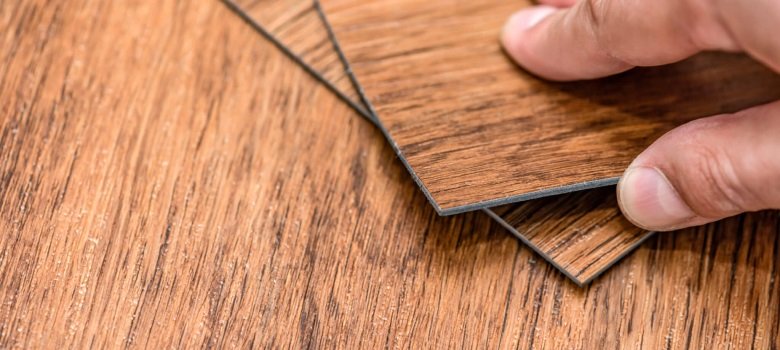
When it comes to upgrading your interiors, few decisions are as impactful as choosing the right flooring. Homeowners often debate vinyl vs. hardwood flooring, weighing beauty against practicality, and cost against longevity. Both materials have evolved dramatically in recent years. Vinyl has become more realistic and durable, while hardwood remains a timeless choice prized for its warmth and value. Understanding the differences in maintenance, lifespan, and resale value can help you make the right decision for your home and budget.
1. Appearance and Aesthetic Appeal
Hardwood flooring is often considered the gold standard in home design. Made from natural timber, each plank carries unique grain patterns, knots, and color variations that add organic charm to any space. Its authentic look instantly elevates the visual appeal of a living room, dining area, or bedroom.
Meanwhile, vinyl flooring has made huge strides in design. Luxury vinyl planks (LVP) and tiles (LVT) now mimic hardwood textures so convincingly that many homeowners can’t tell the difference at first glance. High-definition printing and embossed surfaces give vinyl a sophisticated appearance perfect for modern homes seeking beauty and resilience without the higher price tag.
2. Durability and Lifespan
When comparing vinyl vs. hardwood flooring, durability is a major deciding factor. Hardwood is strong and long-lasting with proper care; it can last 50 years or more. However, it’s vulnerable to scratches, dents, and water damage, especially in humid climates or high-traffic areas.
Vinyl, on the other hand, is exceptionally durable and water-resistant. Luxury vinyl flooring can handle heavy foot traffic, pets, and moisture-prone areas like kitchens or bathrooms. Most high-quality vinyl floors last 15 to 25 years, depending on the thickness of the wear layer and the quality of installation. While hardwood can be refinished multiple times, vinyl usually needs to be replaced when worn out.
3. Maintenance and Upkeep
Maintenance is another key difference between vinyl and hardwood flooring. Hardwood requires regular sweeping, polishing, and occasional refinishing to maintain its sheen. Spills must be wiped immediately to prevent stains or warping.
Vinyl flooring offers a low-maintenance alternative. Simple sweeping and mopping with a mild cleaner are enough to keep it looking fresh. Since it’s waterproof, vinyl is far less stressful to maintain, making it ideal for busy households or families with kids and pets.
For homeowners who prefer a “set it and forget it” approach, vinyl wins this category hands down.
4. Cost Comparison
The price gap between vinyl vs. hardwood flooring is significant. Hardwood typically costs between $8 $15 per square foot, including installation. Exotic woods or custom finishes can push that even higher.
Vinyl flooring, especially LVP, is far more budget-friendly, ranging from $2 to $7 per square foot installed. This affordability makes it attractive for homeowners who want the look of wood without the hefty price tag.
While hardwood requires a bigger upfront investment, it often pays off through better resale value and a longer lifespan. Vinyl, while cheaper, may need replacement sooner, slightly offsetting its initial savings.
5. Environmental Impact and Sustainability
For eco-conscious homeowners, hardwood flooring can be a sustainable option, especially when sourced from FSC-certified forests. It’s made from renewable materials and can be refinished rather than replaced, reducing waste over time.
Vinyl, however, is synthetic and made from PVC, a petroleum-based product. Although recycling efforts are improving, it’s less environmentally friendly. That said, modern manufacturers are working toward low-VOC, phthalate-free vinyl flooring, which improves indoor air quality.
6. Resale Value and Home Appeal
If you’re considering resale potential, hardwood flooring almost always increases property value. Buyers view it as a luxury upgrade and are willing to pay more for homes with genuine wood floors.
Vinyl flooring, while visually appealing, doesn’t carry the same prestige. However, high-end LVP is gaining popularity for its practicality, especially among rental properties or short-term investments.
Ultimately, if your goal is long-term resale value, hardwood remains the better bet. If your goal is affordability and easy maintenance, vinyl flooring might be the more intelligent choice.
Which One Wins for Your Home?
The vinyl vs. hardwood flooring debate comes down to priorities. Choose hardwood for timeless beauty, high resale value, and longevity, but be prepared for regular maintenance. Choose vinyl for cost efficiency, water resistance, and easy upkeep, especially in high-traffic or moisture-prone areas.
Both options have their place in modern home improvement. The key is to align your flooring choice with your lifestyle, budget, and the look you want to achieve, ensuring your home remains beautiful, functional, and comfortable.