 By Madison Newman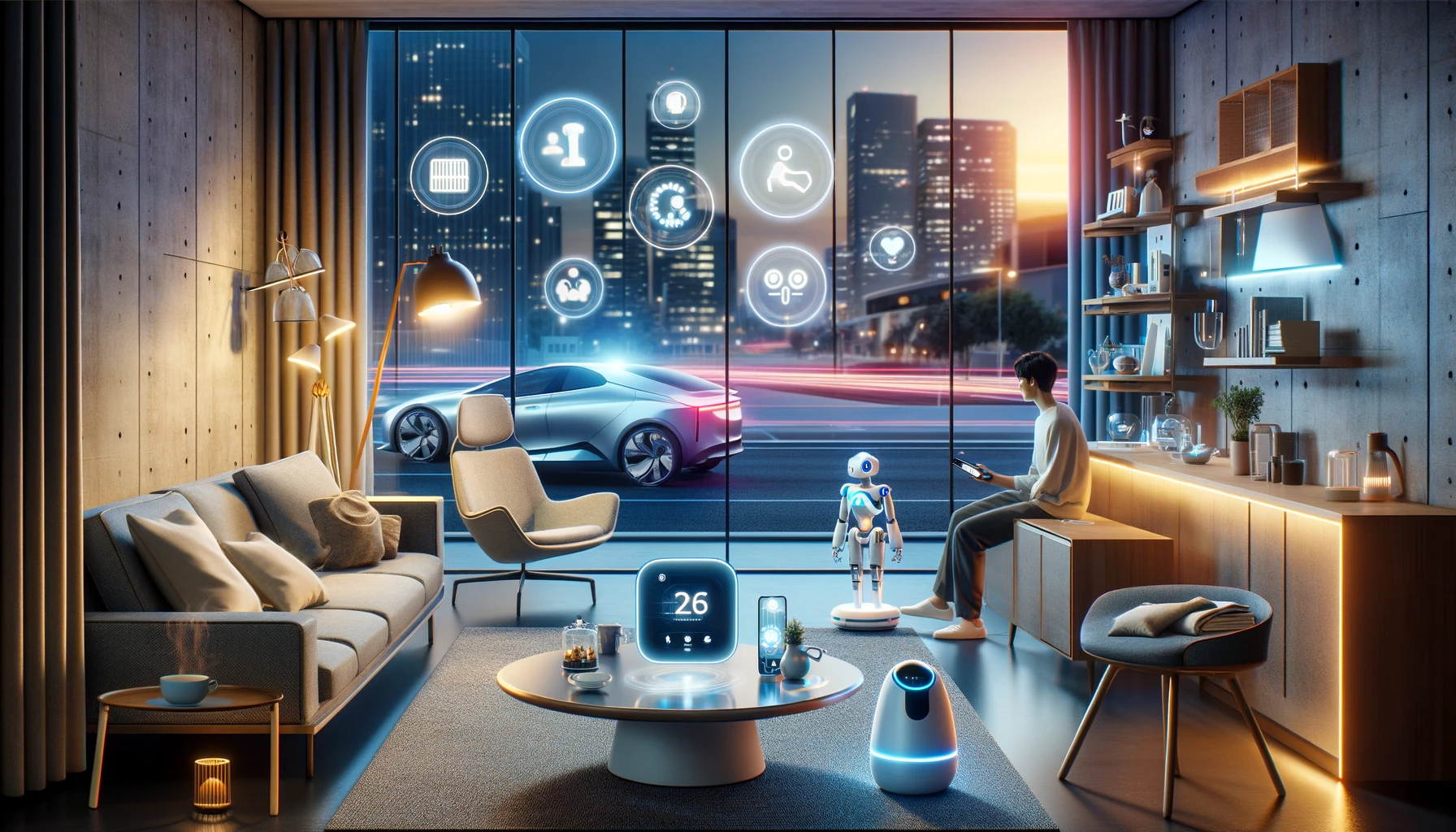
Artificial Intelligence (AI) continues to evolve rapidly, influencing nearly every aspect of our lives in 2024. From how we communicate to how we manage our homes, AI has become a seamless part of everyday existence. This article explores the growing presence of AI in everyday life, how it’s revolutionizing industries, and what we can expect in the future.
Smart Homes Powered by AI
AI technology has made smart homes more efficient than ever before. Devices like AI-powered thermostats, lighting systems, and voice-activated assistants (such as Amazon’s Alexa and Google Assistant) have changed how we interact with our living spaces. These technologies learn from our behaviors, adjusting settings automatically to suit our preferences and saving energy, creating a more sustainable and comfortable environment.
AI-Driven Personal Assistants
Personal assistants powered by AI, such as Apple’s Siri and Google’s Assistant, have evolved far beyond basic voice commands. In 2024, these assistants help users schedule their days, manage tasks, and make decisions by analyzing data and personal habits. With natural language processing improving rapidly, AI assistants can now hold more intuitive and human-like conversations, making them indispensable for managing daily life.
Also Read, Is Work-Life Balance a Myth or Reality?
AI in Healthcare
Healthcare is one sector where AI is having a profound impact. AI-driven tools aid doctors in diagnosing diseases, analyzing medical images, and predicting patient outcomes. Telemedicine, combined with AI chatbots and virtual assistants, offers faster, more accurate consultations. Wearable devices also use AI to monitor health metrics in real time, alerting users and medical professionals about potential issues before they become critical.
Workplace Automation and Efficiency
AI transforms the workplace by automating repetitive tasks, enhancing productivity, and streamlining operations. AI tools handle data analysis, provide customer service through chatbots, and even create content in some industries. In 2024, AI-driven software will help businesses make data-driven decisions, reduce human error, and allow employees to focus on more strategic work.
AI in Transportation
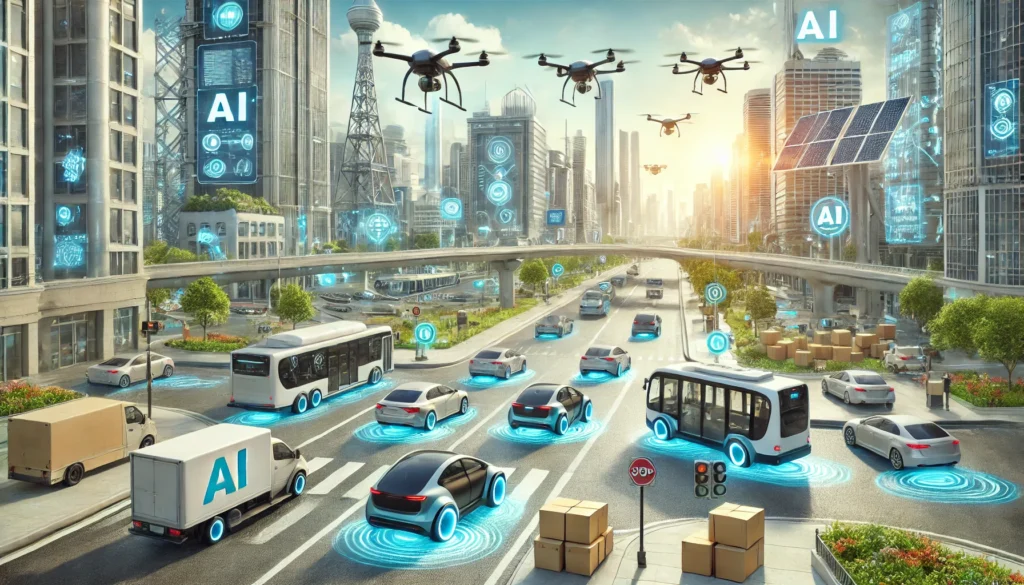
The transportation industry continues to embrace AI, particularly in developing autonomous vehicles. AI enhances vehicle safety through real-time traffic analysis and adaptive cruise control systems. Additionally, AI in logistics is optimizing delivery routes and schedules, ensuring that goods are transported efficiently and with fewer emissions.
AI in Entertainment and Leisure
AI algorithms have revolutionized entertainment by curating personalized content on platforms like Netflix, Spotify, and YouTube. These systems analyze user preferences and viewing habits to recommend shows, music, and videos tailored to individual tastes. AI opponents are becoming more sophisticated in gaming, providing more challenging and dynamic gameplay experiences.
Ethical Concerns and the Future of AI
While AI offers numerous benefits, there are growing concerns about its ethical implications. In 2024, discussions around AI’s role in privacy, job displacement, and bias in decision-making are more relevant than ever. Society must select guidelines and regulations to use AI responsibly and moderately as it develops.
AI is used in everyday life, enhancing convenience, productivity, and health. As AI advances, we can predict that it will play an even more significant role in shaping our future. However, it’s important to navigate the challenges and ethical considerations that come with it to ensure that AI serves humanity positively and equitably.