 By Madison Newman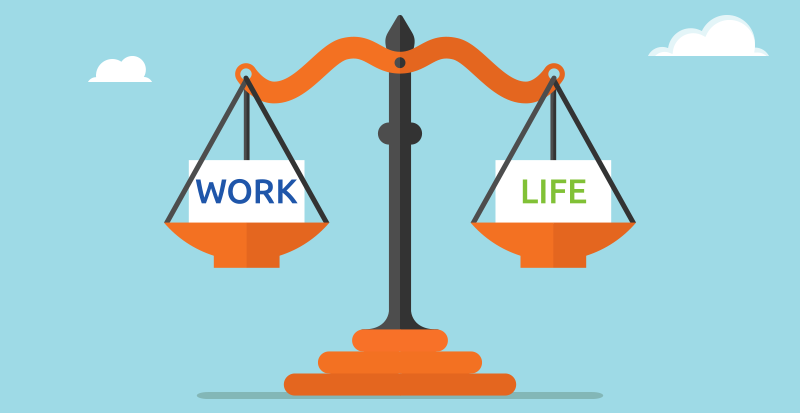
The elusive concept of work-life balance has been the subject of countless discussions, books, and seminars. Is it a tangible goal or merely a utopian ideal? While the perfect equilibrium between professional and personal life might seem unattainable, it’s essential to recognize that a healthy balance is achievable. However, it may look different for everyone.
Defining Work-Life Balance
Before we delve into the complexities of achieving balance, defining what it means is crucial. Work-life balance isn’t about rigidly dividing your time equally between work and personal life. Instead, it’s about finding a harmonious rhythm that allows you to fulfill your professional and personal aspirations without compromising your overall well-being.
Read also, Is Minimalism Right for You? 3 Signs to Consider
The Challenges of Modern Life
Achieving work-life balance in today’s fast-paced world is undoubtedly challenging. Factors such as demanding work schedules, increased responsibilities, and the constant pressure to be available contribute to the perception that balance is a myth. However, it’s essential to recognize that these challenges are manageable.
Creating Your Own Balance
While “balance” implies equal distribution, a more realistic approach focuses on finding equilibrium. This involves identifying your priorities and setting boundaries between work and personal life. Here are some strategies to help you achieve a healthier balance:
- Time management: Effective techniques help you prioritize tasks and allocate time for work and personal commitments.
- Setting boundaries: It’s essential to set clear limits between work and personal life. You can do this by scheduling specific work hours and creating technology-free areas in your home.
- Self-care: Focus on things good for your body and mind, like exercising, relaxing, or doing things you enjoy.
- Support systems: Establishing a supportive circle of friends, family members, or colleagues who comprehend your aims and can provide motivation is essential.
- Flexibility and adaptability: Embrace that work-life balance is a dynamic process requiring constant adjustments.
The Role of Technology
Ironically, although technology is often accused of causing work-life imbalance, it can also be a valuable tool for achieving it. Utilize productivity apps, time management tools, and communication platforms to enhance your workflow and boost effectiveness. However, it’s essential to use technology mindfully and avoid letting it consume your personal time.
Ultimately, balancing work and personal life is different for everyone. There’s no one-size-fits-all solution, and what works for one person may not work for another. Balancing your life to find fulfillment involves understanding what’s most important to you, setting achievable goals, and using practical ways to make it happen.
Remember, it’s not about perfection but progress. Small steps towards a healthier work-life balance can significantly improve overall well-being and satisfaction.