 By Madison Newman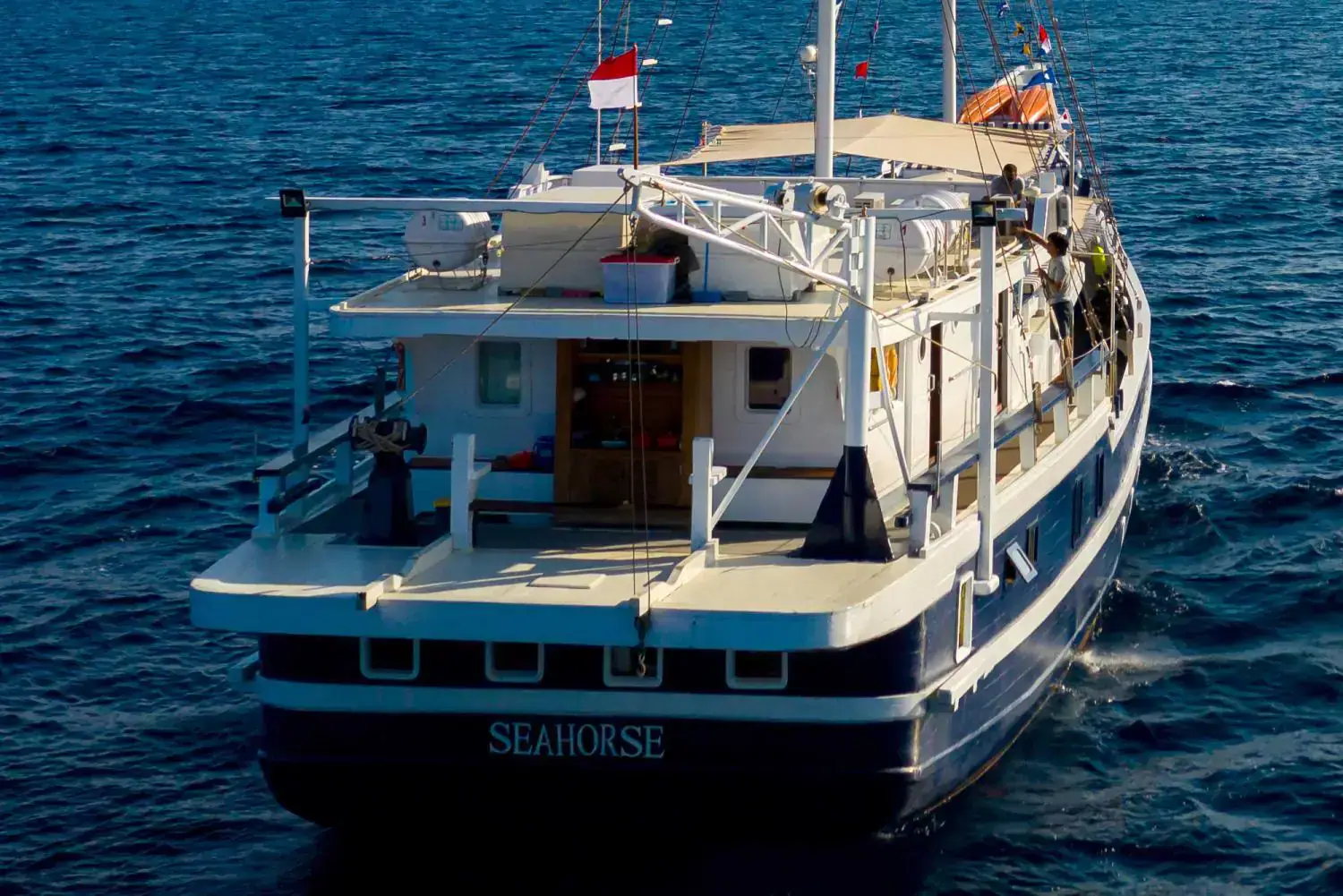
For travellers seeking a deeper connection with the ocean, a small-group diving cruise offers something far beyond a typical holiday. Across the archipelago, diving cruise experiences in Indonesia are redefining what it means to explore remote reefs. From iconic Ambai liveaboard journeys to legendary Seahorse liveaboard expeditions, and the broader world of dive cruises for those passionate about diving in Indonesia, smaller groups are transforming the underwater adventure into something far more personal and immersive.
Why Small Groups Change the Way You Experience the Ocean
At the top of the funnel, many travellers are simply discovering the difference between large liveaboards and more intimate vessels. The appeal of small-group diving cruises lies in exclusivity and flexibility.
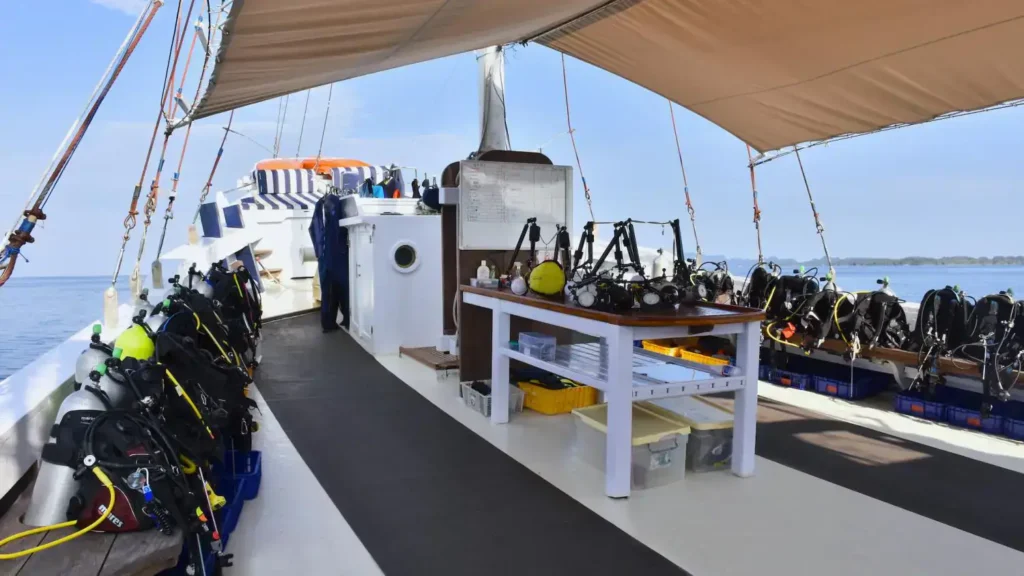
With fewer guests on board, dive briefings become more interactive, dive guides can tailor routes to experience levels, and underwater groups remain compact. Instead of following a line of bubbles, divers naturally spread out, creating a quieter, more respectful presence in sensitive ecosystems.
In Indonesia, a country home to Raja Ampat, Komodo, the Banda Sea and Alor, the marine biodiversity is unmatched. Experiencing these regions in smaller groups enhances wildlife encounters. Manta rays glide undisturbed, reef sharks cruise by naturally, and macro subjects remain in place for patient photographers.
Beyond the water, small-group vessels create a social dynamic that feels curated rather than crowded. Conversations at sunset feel relaxed. Shared meals feel like a gathering of friends rather than a tour group. The atmosphere becomes part of the journey.
The Practical Benefits of a More Personal Adventure
As travellers move into the consideration stage, practical advantages become just as important as emotional appeal.
1. Flexible Itineraries
Smaller vessels can adjust schedules based on weather, currents, or guest interests. If a manta cleaning station is active, the boat may stay longer. If conditions shift, routes can pivot without complex coordination.
2. Better Dive Ratios
With fewer divers per guide, safety improves, and attention becomes personalised. Beginners feel supported, while experienced divers enjoy more autonomy within safe parameters.
3. Access to Remote Sites
Some dive locations are less suited to larger boats due to anchoring limitations or conservation restrictions. Small-group operations often access more secluded reefs and quieter bays.
4. Elevated Comfort
Cabins feel more spacious when shared among fewer guests. Common areas remain tranquil. The crew-to-guest ratio is typically higher, allowing attentive service without feeling intrusive.
A well-designed small-group diving cruise can therefore seamlessly balance comfort and exploration. It’s not about luxury in excess, it’s about thoughtful space and curated flow.
The Emotional Layer: Connection and Storytelling
Personal adventure is not only about logistics; it is about connection. On smaller vessels, guests often form meaningful bonds. Conversations range from marine biology and conservation to underwater photography techniques and local Indonesian culture. The crew becomes storytellers, sharing knowledge of reef systems, migration patterns, and coastal communities.
The slower rhythm also enhances mindfulness. Watching sunrise over limestone karsts, preparing dive gear without rush, or reviewing underwater photos together after dinner, these moments create depth beyond the dive itself.
In a world increasingly dominated by fast tourism, this slower pace feels intentional.
Is a Small-Group Diving Cruise Right for You?
A small-group diving cruise is ideal if you:
- Value privacy and personal space
- Prefer intimate conversations over large gatherings
- Care about eco-sensitivity and minimal environmental impact
- Want more guide interaction underwater
- Appreciate flexible itineraries
It may not suit travelers seeking high-energy social atmospheres or budget-driven mass tourism. Smaller groups often mean premium positioning, but the value lies in depth of experience rather than volume of entertainment.
When comparing options, look closely at guest capacity, guide ratios, and itinerary flexibility. Consider how many dives per day are offered and whether the cruise adapts to seasonal marine highlights.
Why Indonesia Amplifies the Small-Group Experience
Indonesia’s geography makes it uniquely suited for this style of travel. With over 17,000 islands and currents shaped by the Coral Triangle, conditions vary dramatically from region to region.
Small vessels navigate this complexity more fluidly. They reach hidden coves in Raja Ampat, drift along nutrient-rich channels in Komodo, and anchor in isolated Banda Sea atolls.
Because biodiversity is so high, smaller groups also reduce reef stress. Fewer fins touching coral, fewer bubbles around pelagic species sustainability becomes practical rather than theoretical.
In this way, a diving cruise becomes not just a holiday but part of a more responsible approach to marine tourism.
The Takeaway: Intimacy Over Intensity
Mass tourism often promises more guests, more noise, more spectacle. Small-group diving cruises promise something different: clarity.
Clear water, clear space, clear intention.
For travellers seeking authenticity, immersion, and a deeper connection to the sea, small-group diving cruises in Indonesia offer a powerful alternative. It is not simply about where you dive, but how you experience the journey unhurried, attentive, and deeply personal.
In the end, that intimacy is what transforms a trip into an adventure worth remembering.