 By Madison Newman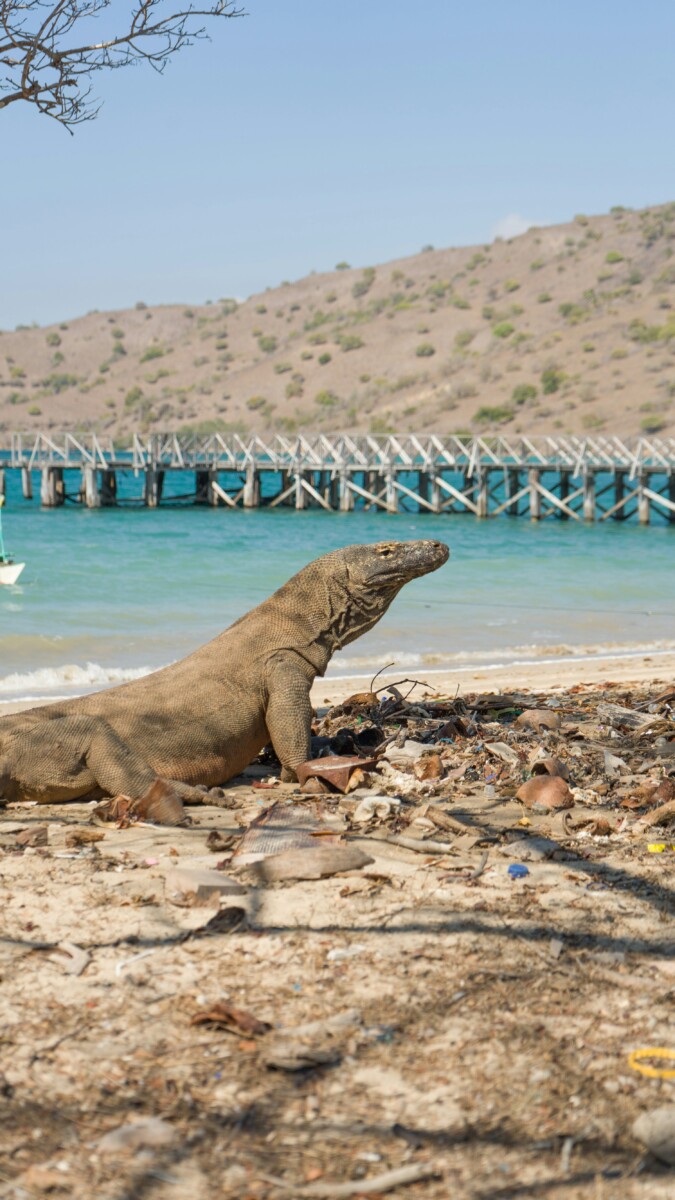
The island of Flores, part of Indonesia’s eastern archipelago, has long been known for its stunning natural beauty and cultural heritage. It is the most significant destination for liveaboard on Komodo Island. But beyond its picturesque landscapes and vibrant traditions lies a remarkable story of conservation led by the local community of Baar. They are deeply committed to protecting the wildlife on their land, especially the ‘Komodo relatives’.
A Commitment to Conservation
The people of Baar in western Flores have a unique connection with their environment, rooted in centuries-old traditions. These age-old customs focus on protecting the land and its diverse inhabitants. One of their most significant conservation efforts is focused on a species they call “saudara Komodo” or the “relatives of Komodo.” Which are believed to be closely related to the famous Komodo dragons found in Komodo National Park.
Komodo dragons, the world’s largest living lizards, are a significant tourist attraction in the region, especially with the rise of liveaboards. Thousands of travelers embark on Komodo cruises annually to witness these magnificent creatures in their natural habitat.
However, while most tourists flock to the islands of Rinca and Komodo. Flores, home to the protected Komodo dragons, is known to only a few for its conservation efforts. In Baar, locals protect lesser-known reptiles, which are important to their cultural identity and ecosystem.
The Role of Tradition in Conservation
Any formal government program does not enforce the Baar community’s conservation efforts. Still, they are instead rooted in local customs known as “adat.” These traditional practices guide how the people of Baar interact with their environment, providing a set of rules for hunting, fishing, and protecting wildlife. Adat is crucial in daily life, and breaking these customs can lead to severe social consequences within the community.
For generations, the people of Baar have maintained that protecting the “Komodo relatives” is a sacred duty, as they believe these creatures are connected to their ancestors. This belief has led to a conservation program that has preserved a unique population of unknown reptiles.
With the growing popularity of Komodo liveaboard experiences, tourism has surged in nearby areas. These activities have inadvertently contributed to raising awareness about the importance of wildlife conservation in other parts of Flores. Local efforts in places like Baar have encouraged some visitors to explore lesser-known species, while most remain drawn to the Komodo dragons.
Also, read Uncertain Future: Komodo Island Residents Face Potential Displacement.
The Tourism Connection
Labuan Bajo, the gateway to Komodo National Park, has become a significant hub for travelers seeking to experience the region’s wonders. Many tourists opt for a Komodo island sailing tour or a boat charter to see the dragons up close. However, more visitors are beginning to recognize that the islands and the mainland of Flores have much more to offer.
The rise of liveaboard Komodo tours has been a boon for the local economy. Still, it has also raised questions about the sustainability of tourism in the area. With more people venturing into remote regions of Flores, including Baar, there is concern about the potential impact on the delicate balance between tourism and conservation.
The regulation of Komodo National Park protects the dragons, but not the lesser-known reptiles in Flores. The people of Baar play a critical role in protecting their land and wildlife amidst the tourism boom. Their adherence to adat customs has made them stewards of conservation, preserving their cultural heritage and the natural environment that supports it.
Challenges and the Future
Despite their success in protecting the “Komodo relatives,” the Baar community faces significant challenges. The modern development and growing tourism around Komodo are straining the region’s resources. There is growing concern about illegal hunting and deforestation, which could threaten the fragile ecosystem supporting reptiles.
The local government, along with NGOs working in the region, has started to take notice of Baar’s unique conservation efforts. There are discussions about formalizing some adat-based practices to ensure long-term protection for the “Komodo relatives” and their habitat. Furthermore, tourism operators offering Komodo boat charters and sailing trips are beginning to include visits to areas like Baar. Raising awareness about the importance of preserving these lesser-known species.